Waheguru Ji Ka Khalsa, Waheguru Ji Ki Fateh
📞 +91 33 1234 5678
Home  ›  5 Ks

The Five Ks

The Khalsa
Panj Kakaar

The Five Articles of Faith

On Vaisakhi of 1699, Guru Gobind Singh Ji founded the Khalsa and gave the Sikhs five articles of faith — the Panj Kakaar — to be worn at all times. Each is a gift and a discipline: an outward sign of an inward commitment to live as a devoted, disciplined and compassionate Sikh. Together they bind the Khalsa in a shared identity of purity, readiness and service.

Kesh1
Uncut Hair
ਕੇਸ

Kesh

Kesh is the practice of never cutting the hair anywhere on the body, keeping it exactly as the Creator shaped it. It is the first and most visible of the Five Ks — a daily acceptance of God's Hukam (His Will) and a mark of deep respect for the natural, complete form in which we are made.

The hair is kept clean, combed and neatly tied, and covered with a dastaar (turban). Worn with equal dignity by women and men, the dastaar is a crown of self-respect and responsibility — a daily reminder to carry oneself with grace and to live a saintly, honest and disciplined life.

Kangha2
Wooden Comb
ਕੰਘਾ

Kangha

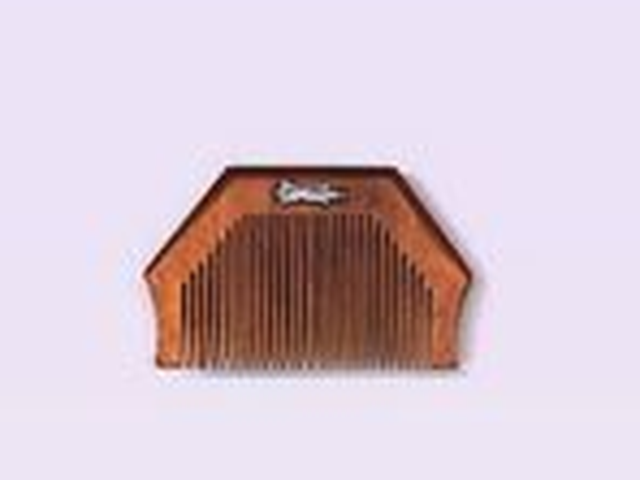
The Kangha is a small wooden comb kept tucked in the tied hair. A Sikh uses it at least twice a day to keep the kesh clean, combed and free of tangles — turning an ordinary act of grooming into a daily discipline of cleanliness and self-respect.

Its deeper lesson mirrors its use: just as the comb clears knots from the hair, a Sikh is asked to comb the mind clean of ego, greed and other tangles through Naam — the remembrance of God — honest effort and disciplined living. Outer cleanliness and inner clarity are meant to grow together.

Kara3
Steel Bracelet
ਕੜਾ

Kara

The Kara is a plain circle of iron or steel worn on the wrist. Deliberately simple, it is not an ornament but a bond — a ring with no beginning and no end that represents the one, eternal and formless God (Ik Onkar) and the Sikh's unbreakable connection to the Guru.

Worn on the hand we act with, it gently checks us before every deed: let the hand earn honestly and do good, and never do anything that would bring shame to the Guru. The steel itself speaks of strength, restraint and standing firm in one's faith.

Kachhera4
Cotton Garment
ਕਛਹਿਰਾ

Kachhera

The Kachhera is a specially cut pair of cotton breeches with a drawstring waist. Practical and modest, it allows free movement for work, seva and — in the Khalsa's history — the battlefield, while always keeping the wearer decent, comfortable and ready for action.

Beyond its practicality, the Kachhera stands for self-control — especially over lust — high moral character and chastity. It reminds the Sikh to stay disciplined and alert, and to be ever ready to serve others and to defend the weak.

Kirpan5
Ceremonial Sword
ਕਿਰਪਾਨ

Kirpan

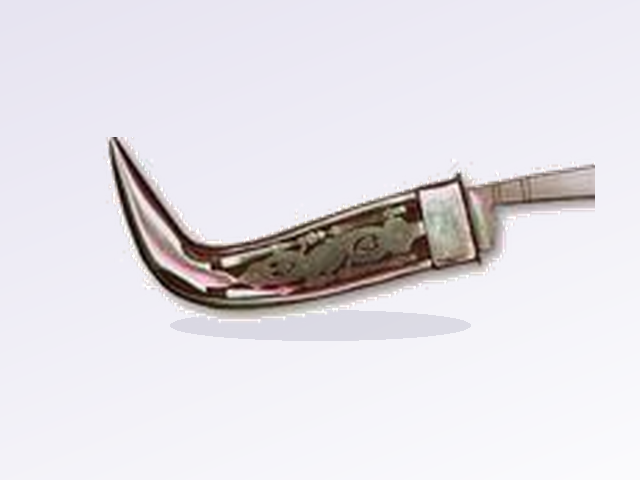
The Kirpan is a sword worn by initiated (Amritdhari) Sikhs. Its name unites kirpa (mercy and grace) with aan (honour and dignity): it is never a weapon of aggression, but a solemn responsibility to protect truth, uphold justice, and defend the weak and the defenceless of every faith.

The Kirpan embodies the Sikh ideal of the sant-sipahi — the saint-soldier: a person deeply devoted to God yet always ready to stand up, peacefully first and firmly when needed, against oppression and injustice for the good of all humanity.